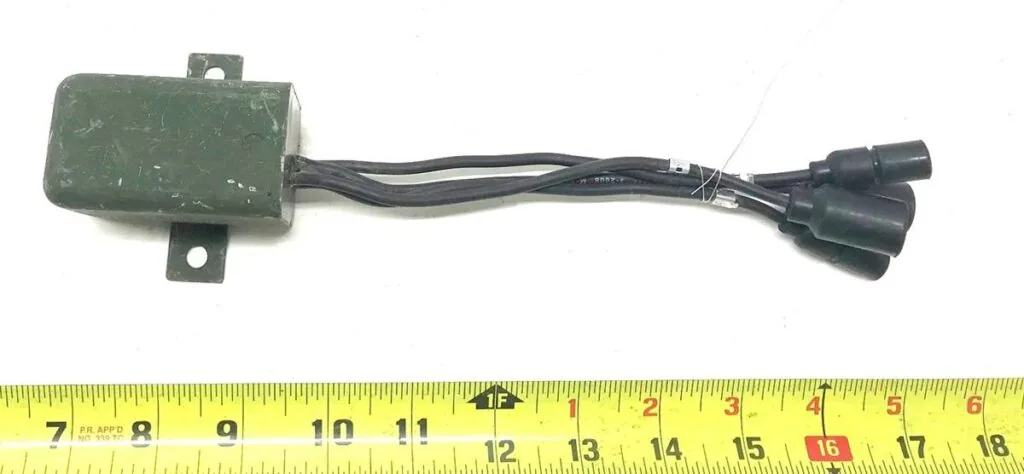
Small Relay = Big Trouble. Hummer H1 Repair Story
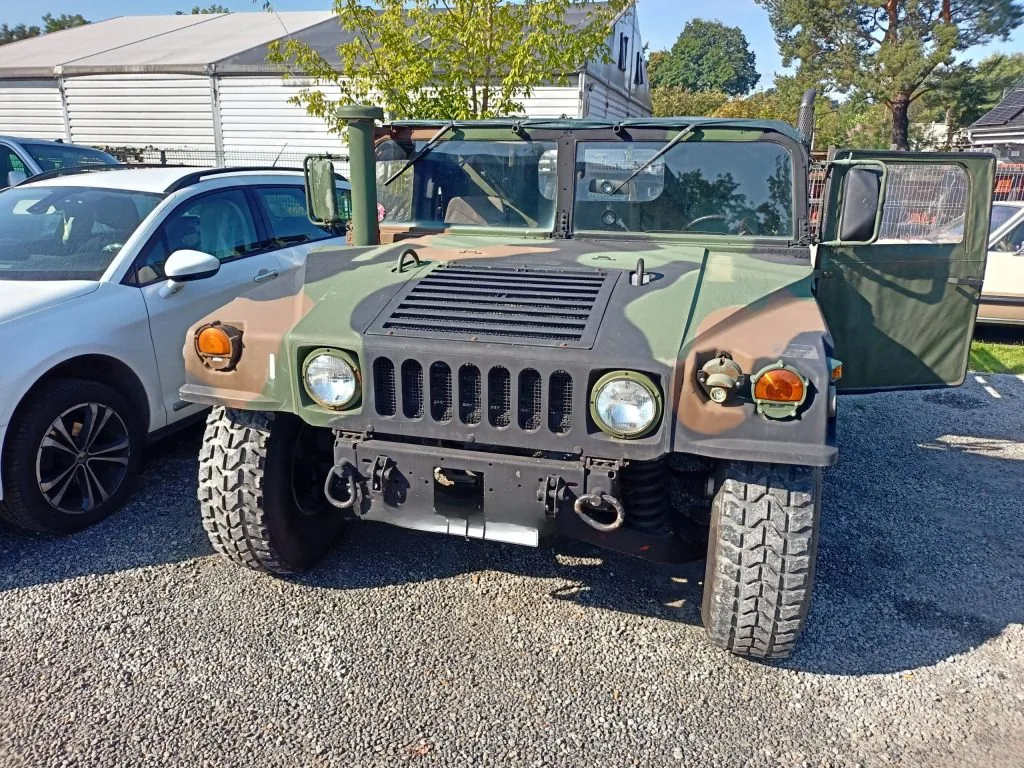
The Hummer H1 is a legend among off-road vehicles, known for its extraordinary durability and ability to overcome harsh off-road conditions. The automatic transmission is responsible for delivering power under these demanding conditions. However, over time, this complex and solidly built unit may require repair, especially if the vehicle is driven in tough off-road conditions.
The vehicle brought to our workshop was a 1992 Hummer H1 fitted with a GM 4L80 transmission. The customer who brought the vehicle reported issues with gears not shifting, known as transmission limp mode, especially after the vehicle warmed up.
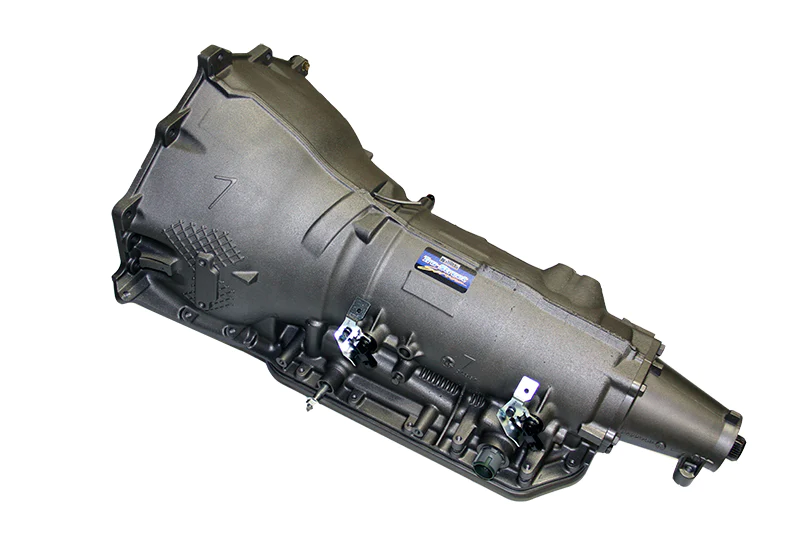
Main Features of the 4L80 Transmission
Four gears: The 4L80 transmission is a 4-speed unit that offers a wide gear ratio spread, allowing for efficient acceleration and cruising speeds on the road.
Durability: This is one of the strongest automatic transmissions on the market, making it ideal for heavy-duty vehicles or hauling cargo.
Built for tough conditions: The 4L80 is engineered for strength and durability, which is why it is often chosen for commercial and off-road vehicles.
Electronic control: Later versions of this transmission used electronic control systems that improve efficiency and driving comfort, allowing better adaptation to changing road conditions.
Popularity: The 4L80 was used in many GM vehicle models, making it widely available and valued in the automotive enthusiast community.
The 4L80 transmission handles high torque and heavy loads well, which is why it is widely used in commercial and heavy off-road vehicles.
Diagnostics and Repair
The 4L80E transmission is equipped with a computer known as the Transmission Control Module (TCM), located behind the driver seat in M2 vehicles, which analyzes and records electronic signals from the transmission and engine.
The logged codes stored in the TCM are called fault codes. In case of problems, the TCM can protect the transmission from damage by locking it in second gear, at maximum fluid pressure, until the issue is resolved. The most common problems are loose or corroded wire connections.
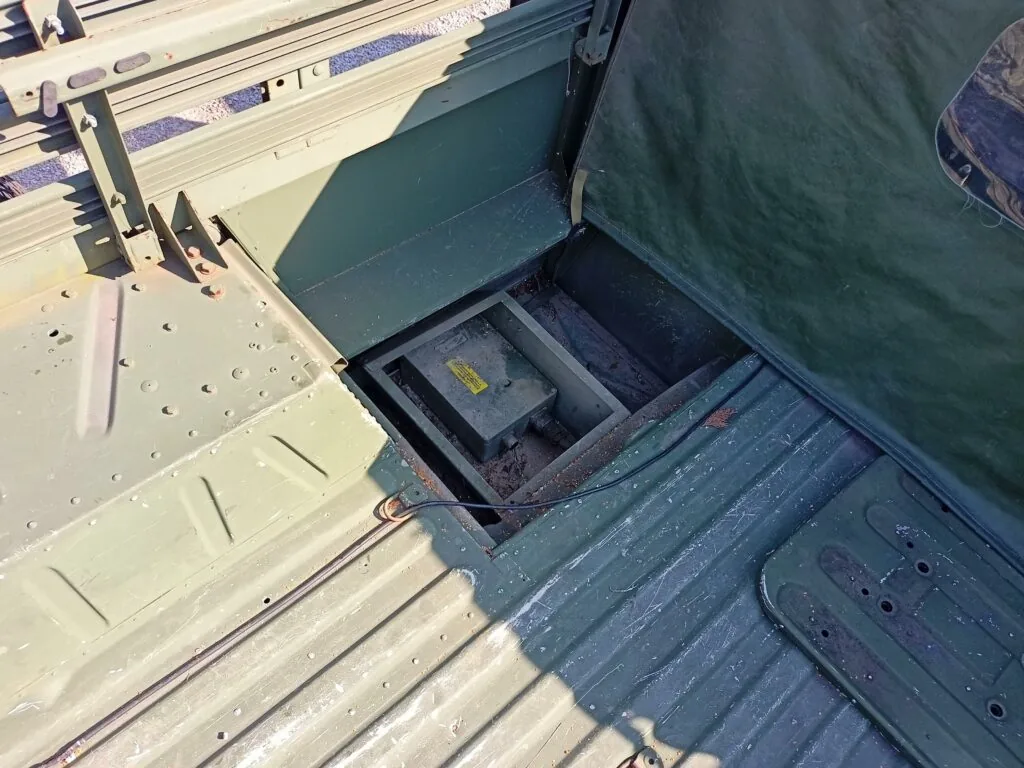
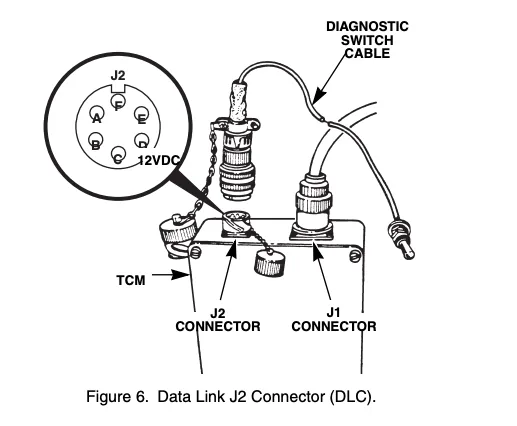
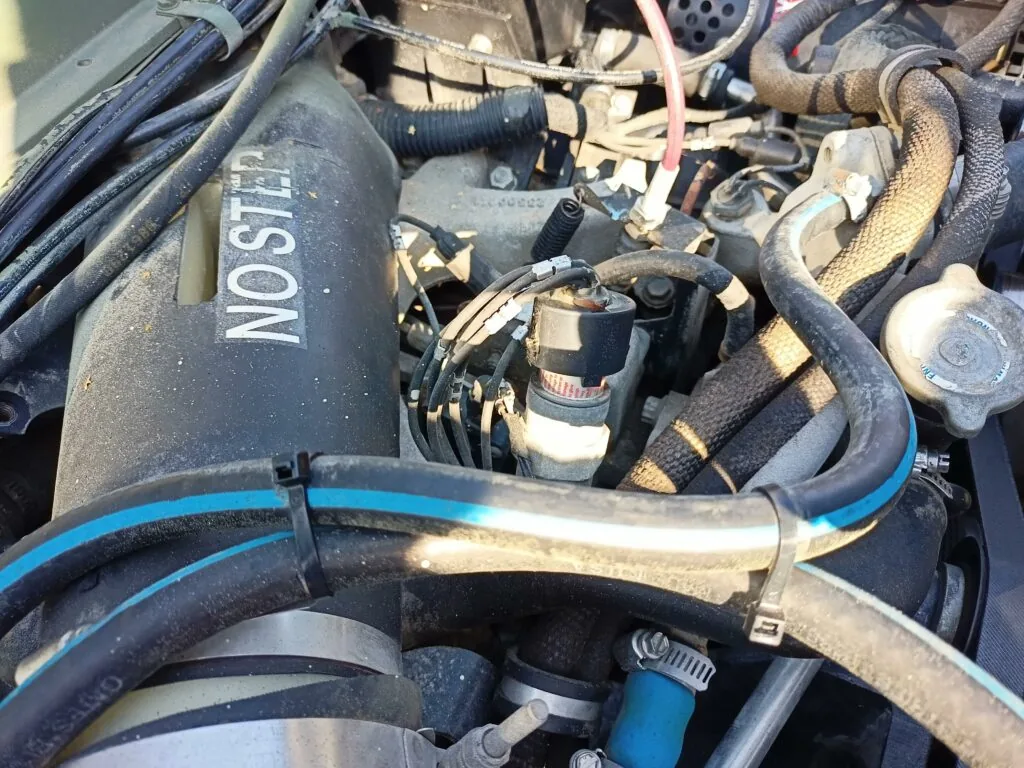
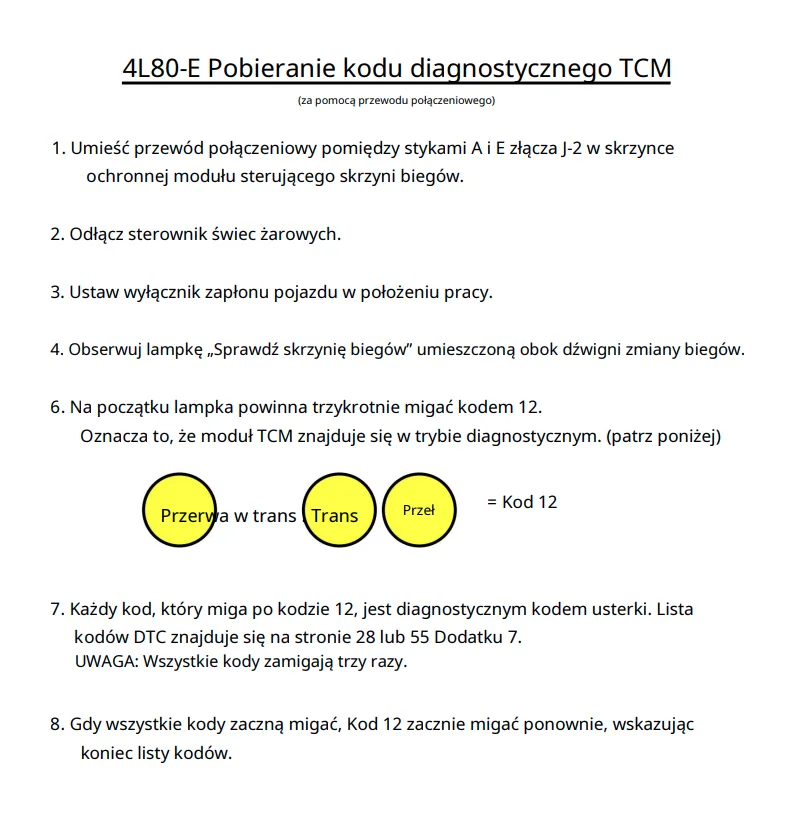
The J2 diagnostic link connector (DLC) is located in the watertight TCM box under the left/rear seat in M4 vehicles. Fault codes can be read by connecting a cable with a switch to the J-2 TCM diagnostic socket and turning the ignition switch to the "RUN" position. To read fault codes using a jumper wire, terminals "A" and "E" of the DLC J module must be bridged. The glow plug controller under the hood also has to be disconnected.
After our technician read the fault code: DTC 73 Pressure Control Solenoid (PCS) Circuit (Current Error). The valve body became the first suspect. We tested the valve body using a Hydra-Test machine, and the valve body showed no errors.
The next suspect in this situation was the transmission electronics along with the TCM. After a thorough analysis of the problem, the culprit turned out to be the transmission relay, which lost its electrical parameters once heated up.
This relay is tucked away quite deep inside the vehicle. After replacing it, the customer was able to happily enjoy their off-road vehicle again.