
DSG Transmission: Failures, Faults, Repair Costs, User Reviews
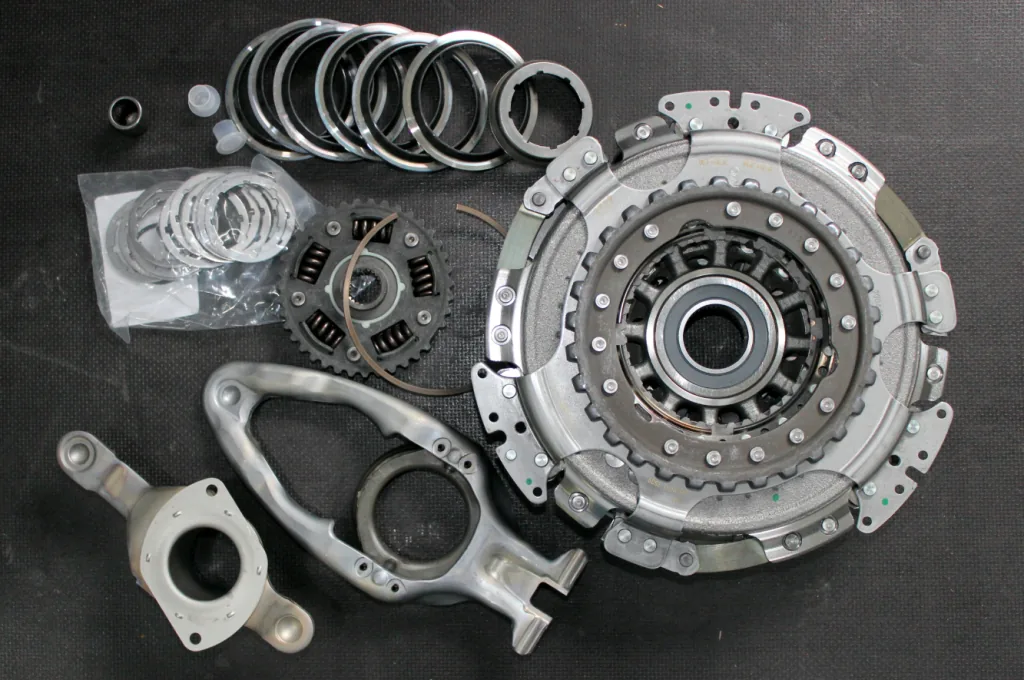
The DSG (Direct Shift Gearbox) is an automatic transmission that is increasingly fitted in VAG group vehicles. It is a more advanced system than traditional automatic transmissions, offering faster gear shifts and better efficiency than manual transmissions.
The purchase price of a car with DSG is higher than that of a vehicle with a traditional transmission, but running costs are lower thanks to better efficiency and reduced fuel consumption.
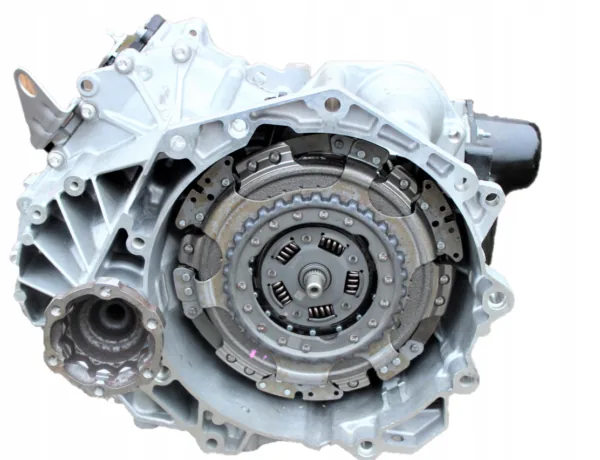
Types of DSG Transmissions
There are two main types of DSG transmissions:
DSG with a dry clutch pack (DQ 200): This transmission is most commonly used in passenger cars and has 7 gears. Fast and smooth gear shifts allow for comfortable driving and efficient use of engine power. It is found in vehicles with torque under 250 Nm.
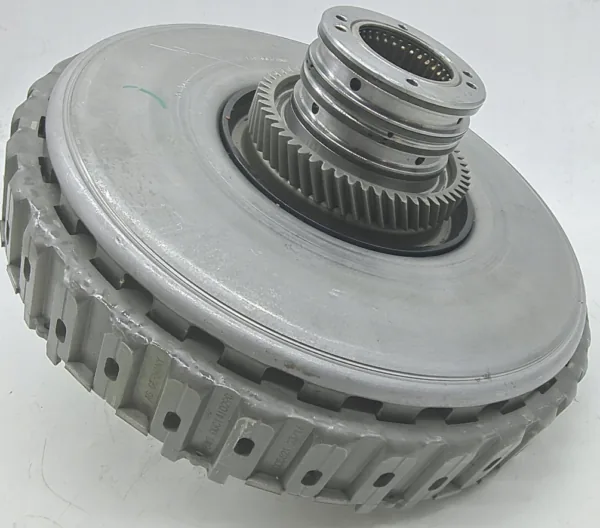
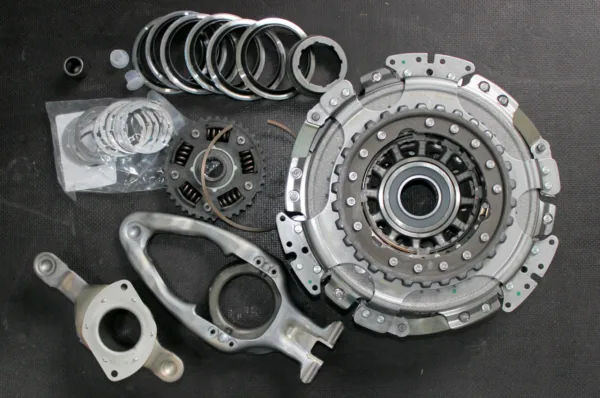
DSG with a wet clutch pack: This transmission is used mainly in vehicles with high torque and has 6 gears (DQ 250) or 7 gears (DQ 500, DQ 381, DQ 400). It was designed to enable fast and efficient gear shifts under demanding driving conditions.
Repair Cost
Repairing a DSG transmission can be costly because the system is more advanced than a traditional transmission. The most common faults involve the electronics and mechanical components, such as clutches and shafts. In the event of a major failure, replacing the entire transmission may be necessary, which can cost anywhere from several thousand to over ten thousand PLN.
To minimize the risk of serious failure and increase the durability of the DSG transmission, it is important to adhere to the manufacturer's recommended service schedule and use high-quality transmission fluid and filters.
User Reviews
User reviews of DSG transmissions are mixed and depend on how the car was used. The gearbox shifts quickly and smoothly, but it is complex and needs regular servicing and maintenance. Before buying a car with a DSG, think about what you need it for and match the transmission type to the way you drive.